
Home canning is one of the most practical and empowering kitchen skills you can learn. However, safe food preservation depends on following tested, research-based methods. The USDA canning safety guidelines are considered the gold standard for safe home food preservation in the United States.
These USDA canning safety guidelines are designed to prevent foodborne illness, ensure proper processing temperatures, and protect families from serious risks such as botulism. If you are new to home canning, understanding these safety principles is absolutely essential.
This complete guide explains the science, equipment, processing methods, and storage rules behind USDA canning safety guidelines so you can preserve food confidently and safely.
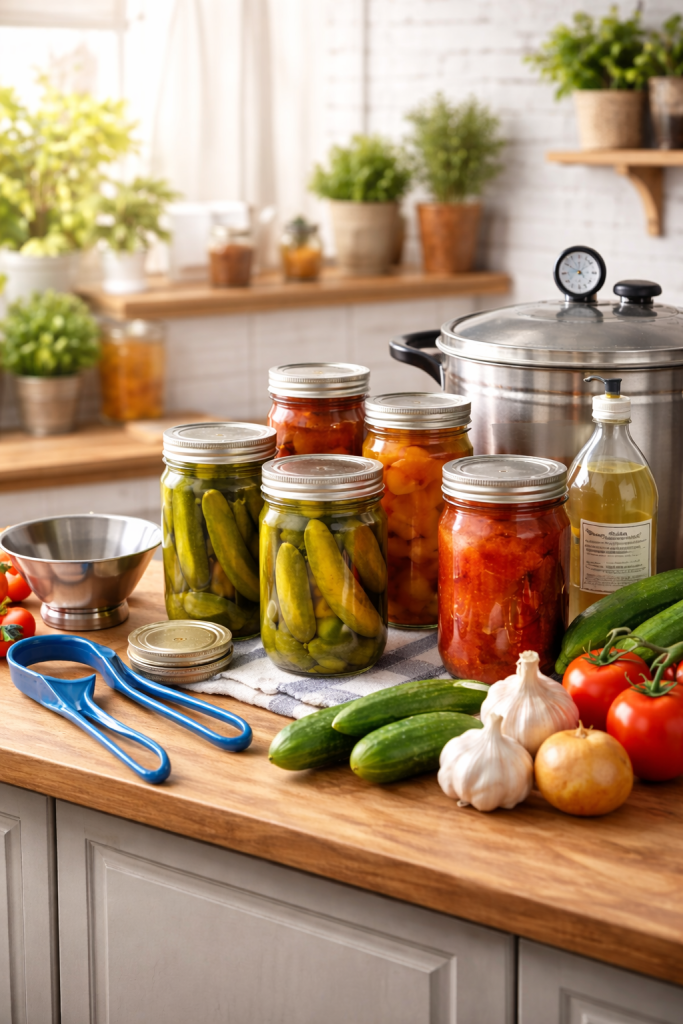
Table of Contents
What Are USDA Canning Safety Guidelines?
The USDA canning safety guidelines are research-based food preservation standards developed through laboratory testing. These guidelines determine safe processing times, required temperatures, acidity levels, and pressure adjustments.
According to the National Center for Home Food Preservation (https://nchfp.uga.edu/), using scientifically tested processing methods is critical for safe home canning.
Unlike untested internet recipes, USDA-approved methods are carefully validated for:
- Heat penetration
- Safe acidity balance
- Proper vacuum seal formation
- Destruction of harmful bacteria
- Long-term shelf stability
Following USDA canning safety guidelines ensures that your preserved foods remain safe months after processing.
Why Canning Safety Matters
Canning creates an oxygen-free environment inside sealed jars. While this helps preserve food, it can also allow dangerous bacteria to grow if the food is not processed correctly.
The biggest concern in home canning is Clostridium botulinum, which produces botulism toxin.
Botulism:
- Cannot be seen
- Cannot be smelled
- Cannot be tasted
That is why USDA canning safety guidelines must always be followed exactly as written.
Safe canning is not about guessing. It is about respecting food science.
High-Acid vs Low-Acid Foods
Understanding acidity is one of the most important USDA canning safety guidelines.
High-Acid Foods (pH 4.6 or lower)
Examples:
- Fruits
- Jams and jellies
- Pickles
- Acidified tomatoes
- Properly balanced salsa
High-acid foods can be safely processed using water bath canning.
👉 Read our complete Water Bath Canning for Beginners guide.
Low-Acid Foods (pH above 4.6)
Examples:
- Green beans
- Corn
- Carrots
- Meats
- Poultry
- Soups
Low-acid foods MUST be processed using a pressure canner.
Water bath canning is NOT safe for low-acid foods.
👉Learn more in our Beginner’s Guide to Pressure Canning.
15 Essential USDA Canning Safety Rules
Here are the core USDA canning safety guidelines every beginner must follow:
- Use only tested and approved recipes.
- Never modify vinegar or acid levels.
- Always adjust for altitude.
- Use proper headspace measurement.
- Do not reduce processing time.
- Use new lids for each batch.
- Inspect jars for cracks or chips.
- Maintain recommended pressure levels.
- Avoid thickening recipes before canning.
- Do not reuse commercial food jars.
- Keep jars hot before filling.
- Remove air bubbles before sealing.
- Allow jars to cool undisturbed.
- Store in a cool, dark place.
- When in doubt, throw it out.
Following these USDA canning safety guidelines dramatically reduces the risk of contamination.
Approved Processing Methods
There are only two approved processing methods under USDA canning safety guidelines.
1. Water Bath Canning
Water bath canning uses boiling water (212°F) to process high-acid foods.
It is safe for:
- Fruits
- Pickles
- Jams
- Acidified tomatoes
Processing times must be followed exactly.
2. Pressure Canning
Pressure canning reaches temperatures above 240°F, which are necessary to destroy botulism spores.
It is required for:
- Vegetables
- Meats
- Beans
- Broths
Using a pressure cooker is NOT the same as using a pressure canner.
Always use a tested pressure canner with a working gauge.
Preventing Botulism in Home Canning
Preventing botulism is the main reason USDA canning safety guidelines exist.
To prevent botulism:
- Use correct processing method
- Follow tested pressure levels
- Maintain proper processing time
- Adjust for altitude
- Store jars properly
Never taste food from a jar that shows signs of spoilage.
Signs of spoilage include:
- Bulging lid
- Leaking liquid
- Foaming
- Off smell
Safety always comes first.
Altitude Adjustments
Boiling temperatures change at higher elevations.
If you live above 1,000 feet, USDA canning safety guidelines require:
- Longer processing times for water bath
OR - Higher pressure levels for pressure canning
Ignoring altitude adjustments is one of the most common beginner mistakes.
Equipment Requirements for Safe Canning
Proper equipment is essential.
You will need:
- Water bath canner or pressure canner
- Mason jars
- New lids
- Jar lifter
- Headspace measuring tool
- Bubble remover
- Clean towels
👉Read our complete guide on How to Sterilize Canning Jars Properly.
Never improvise equipment. Safety depends on reliable tools.
Proper Storage Guidelines
After jars cool:
- Check seals
- Label with date
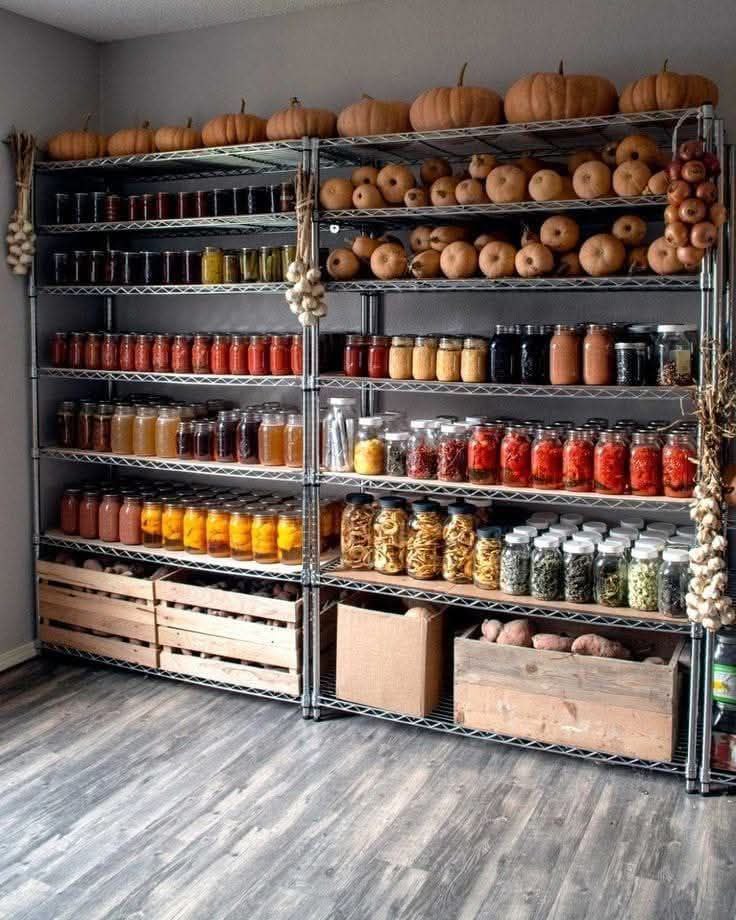
- Store in cool, dark place
- Keep between 50–70°F
- Avoid moisture and sunlight
For best quality, use within one year.
Proper storage is part of USDA canning safety guidelines and helps maintain food quality.
Common Mistakes to Avoid
Many beginners accidentally ignore small details.
Avoid:
- Using untested online recipes
- Skipping headspace measurement
- Rushing cooling process
- Reprocessing without full method
- Guessing processing time
👉 Read about 10 Common Canning Mistakes and How to Avoid Them.
Frequently Asked Questions
Are USDA canning safety guidelines mandatory?
If you want safe, shelf-stable food, yes. These guidelines are scientifically tested and highly recommended.
Can I shorten processing time?
No. Reducing processing time increases risk of unsafe food.
Is home canning safe for beginners?
Yes, when USDA canning safety guidelines are followed carefully.
How long does canned food last?
For best quality, consume within one year.
Final Thoughts
Home canning is rewarding, practical, and empowering. But it must always be done safely.
The USDA canning safety guidelines exist to protect your health and ensure long-term food stability. When you follow these 15 essential rules, you can confidently preserve fruits, vegetables, and meals for months to come.
Safe canning builds confidence.
Confident canning protects your family.
Follow tested methods. Respect food science. Preserve safely.